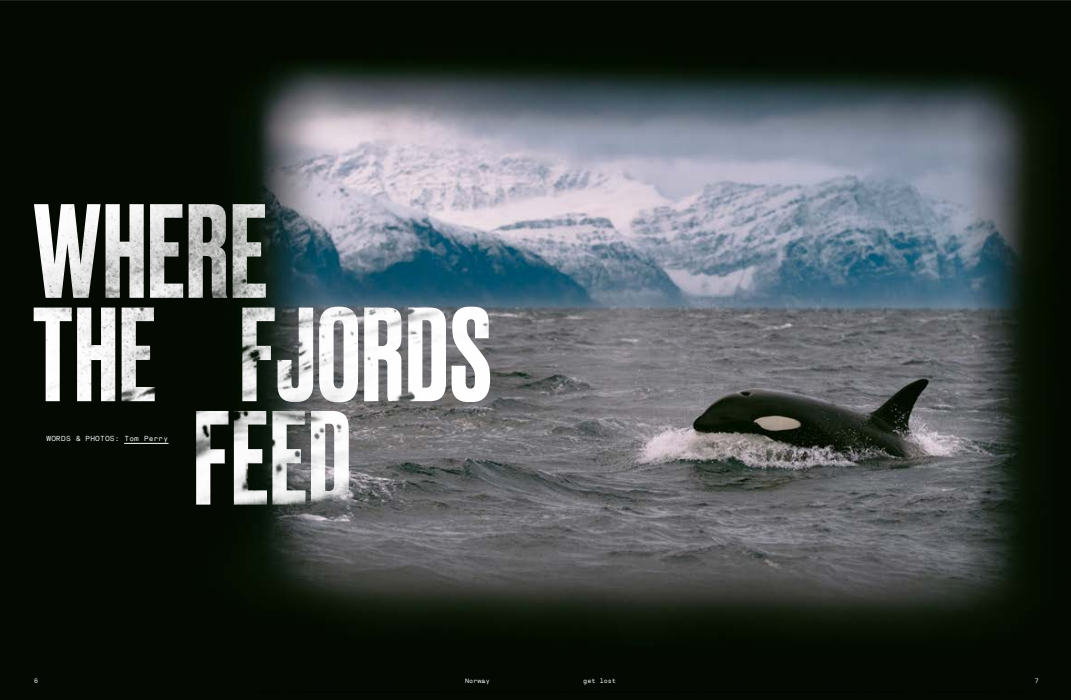
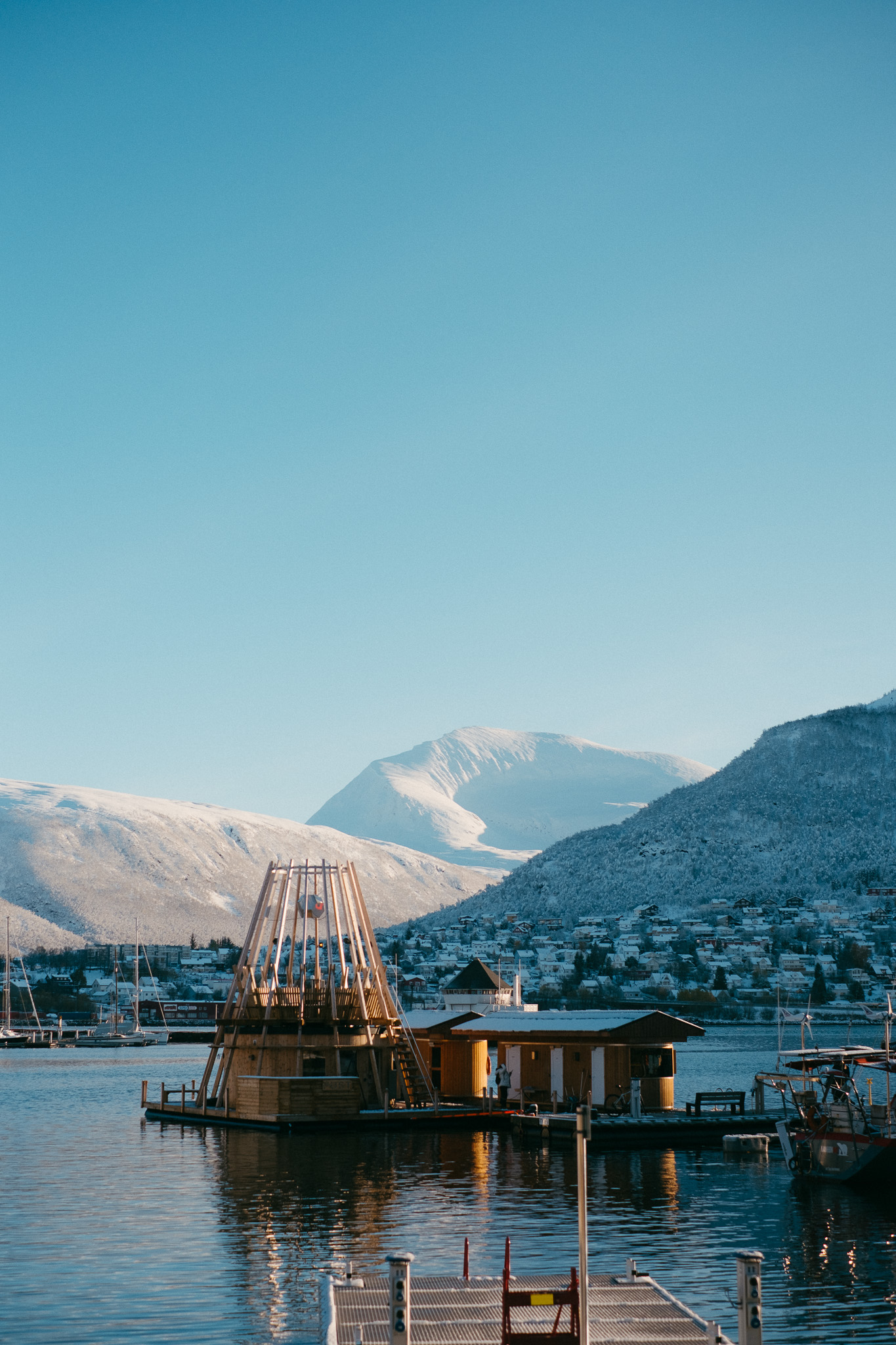
Where the fjords feed
Spending a week swimming with orcas in northern Norway was the stuff of dreams. I wrote about it for Get Lost magazine.
--
It begins with little flashes.
A couple of small grey fish scales, no bigger than five-cent coins, glinting in the dark water in front of me.Within a minute, there’s hundreds drifting around me.
Half a fish - a herring - torn in half, soon floats nearby. It’s just a head, and a roughly-torn top of a body, bobbing on the surface.
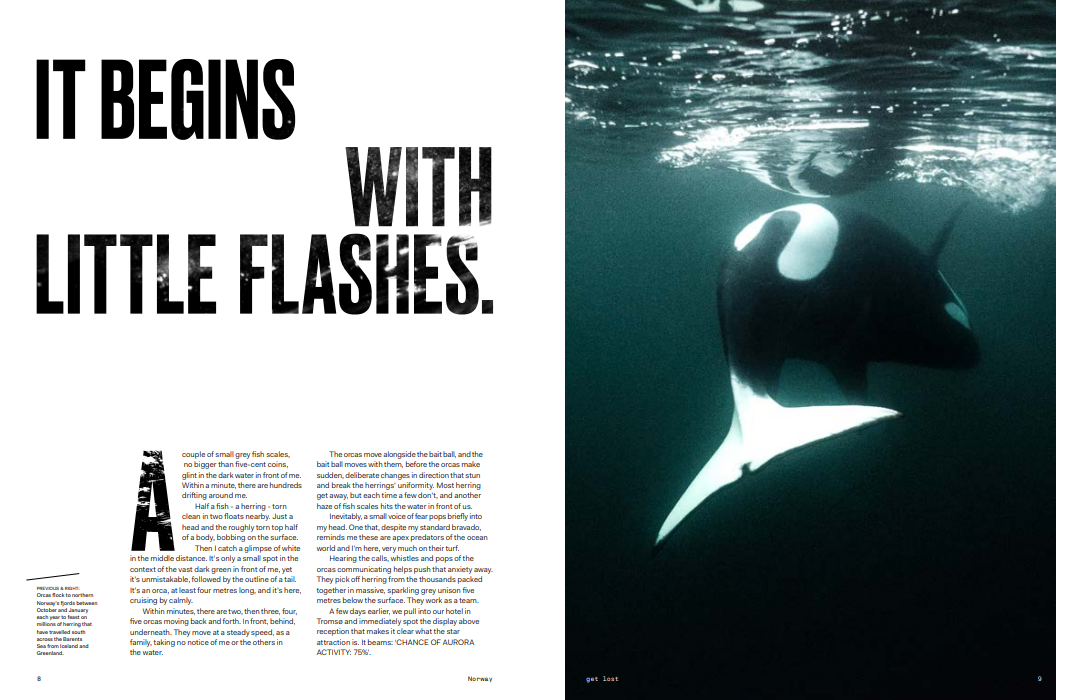
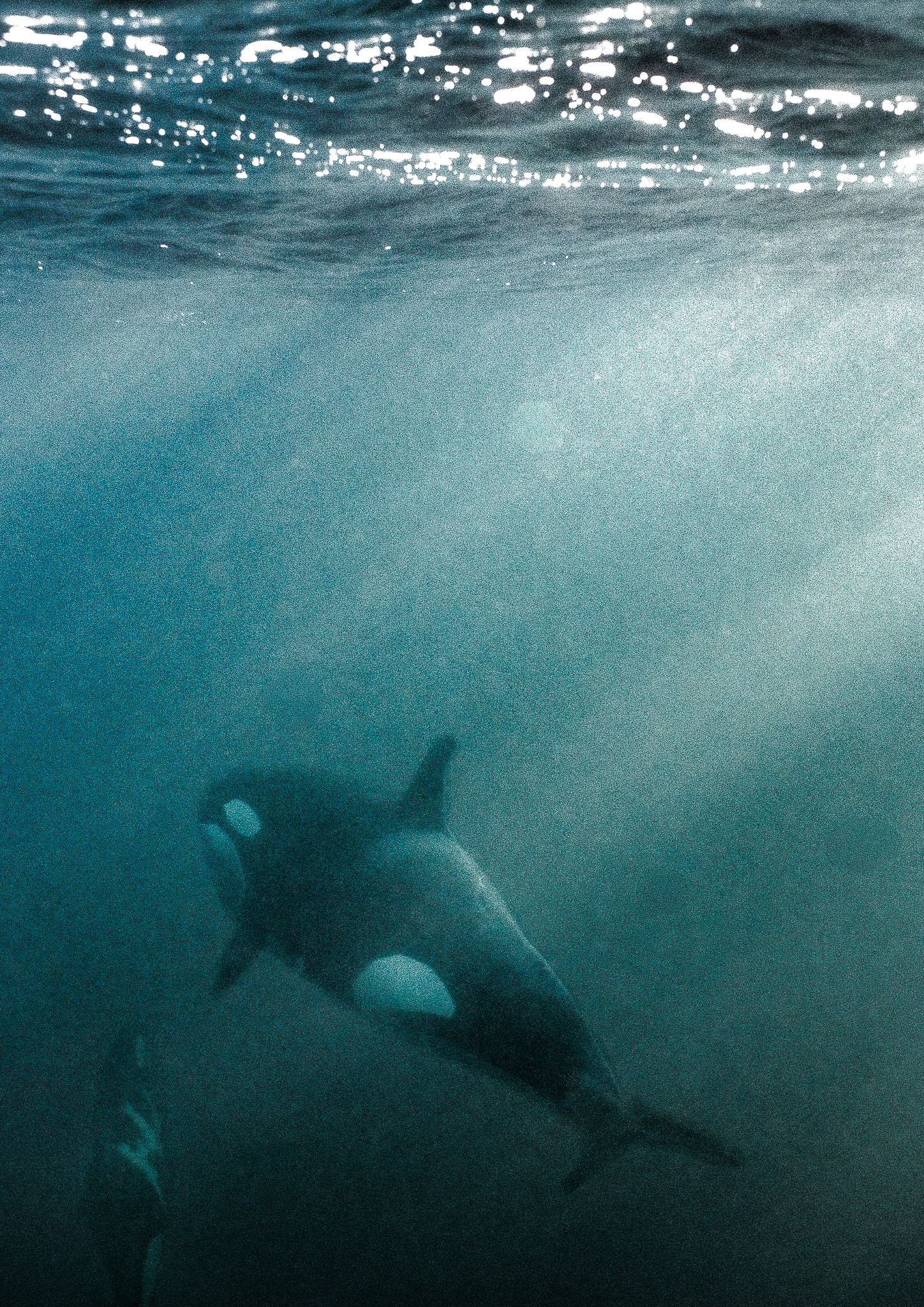
Then, I get a glimpse of white in the middle distance. It is only relatively a small spot in the context of the vast dark green in front of me, yet this white is unmistakable, as it’s followed soon by what I see is the outline of a tail. It’s an orca, at least four metres long, and it’s here; cruising calmly by.
Within minutes, there’s two, then three, four, five orcas moving back and forth. In front, behind, underneath. They’re moving at a steady speed, as a family, taking no notice of me or the others with me in the water.
The orcas move alongside the bait ball and the bait ball moves with them, before the orcas make sudden, deliberate direction changes that stun and break the herrings’ uniformity. Most herring get away, but each time a few don’t, and another haze of fish scales hits the water in front of us.
Inevitably, a small voice of fear pops briefly into my own head. One that, despite my standard bravado, reminds me that these are apex predators of the ocean world, and that I’m here, very much on their turf.
Hearing the calls, whistles and pops of these orcas talking helps to push that anxiety away. They’re picking off herring from the thousands packed together in massive sparkling grey unison, five metres below the surface, and they’re working as a team.
—
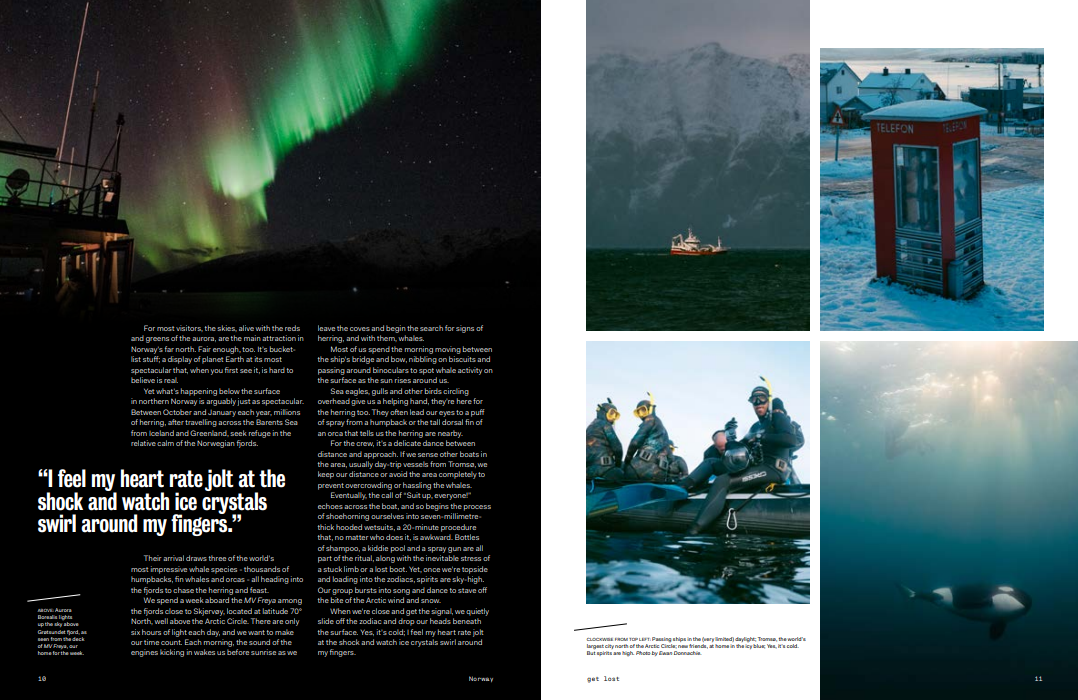
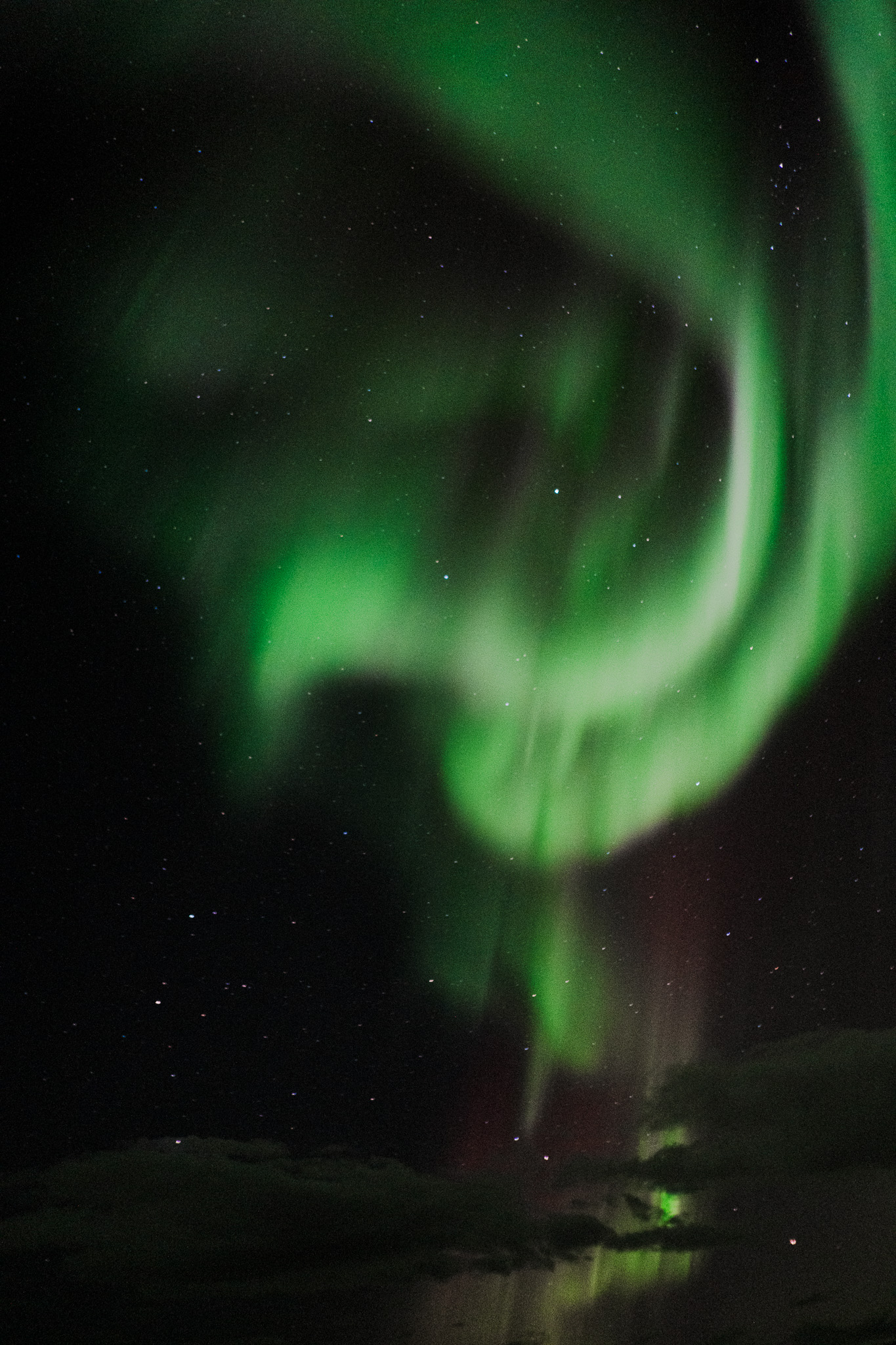
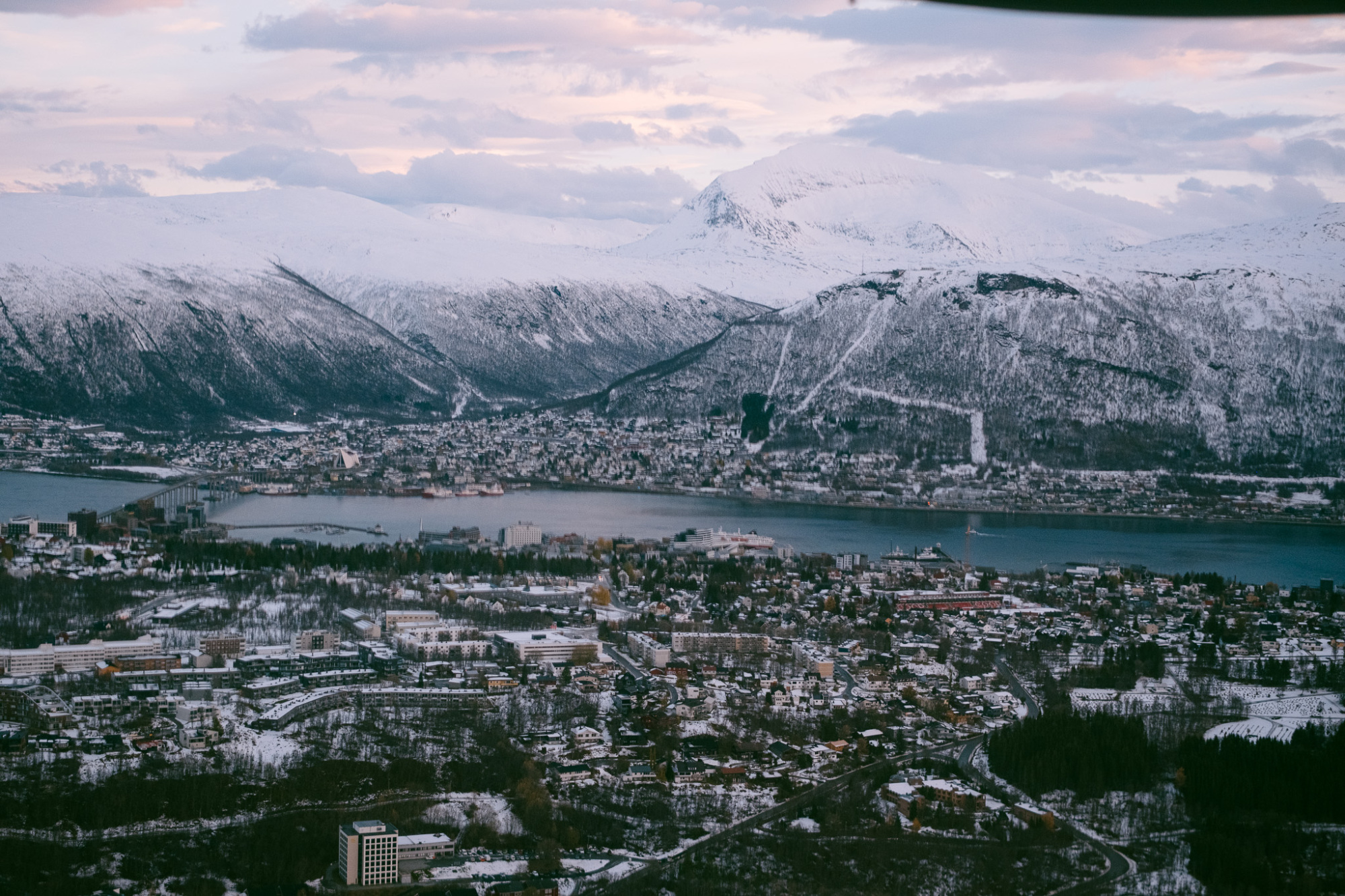
A few days earlier, we pull into our hotel in Tromsø, and immediately spot the display above Reception that makes it clear what the star attraction is. It beams: ‘CHANCE OF AURORA ACTIVITY: 75%’.
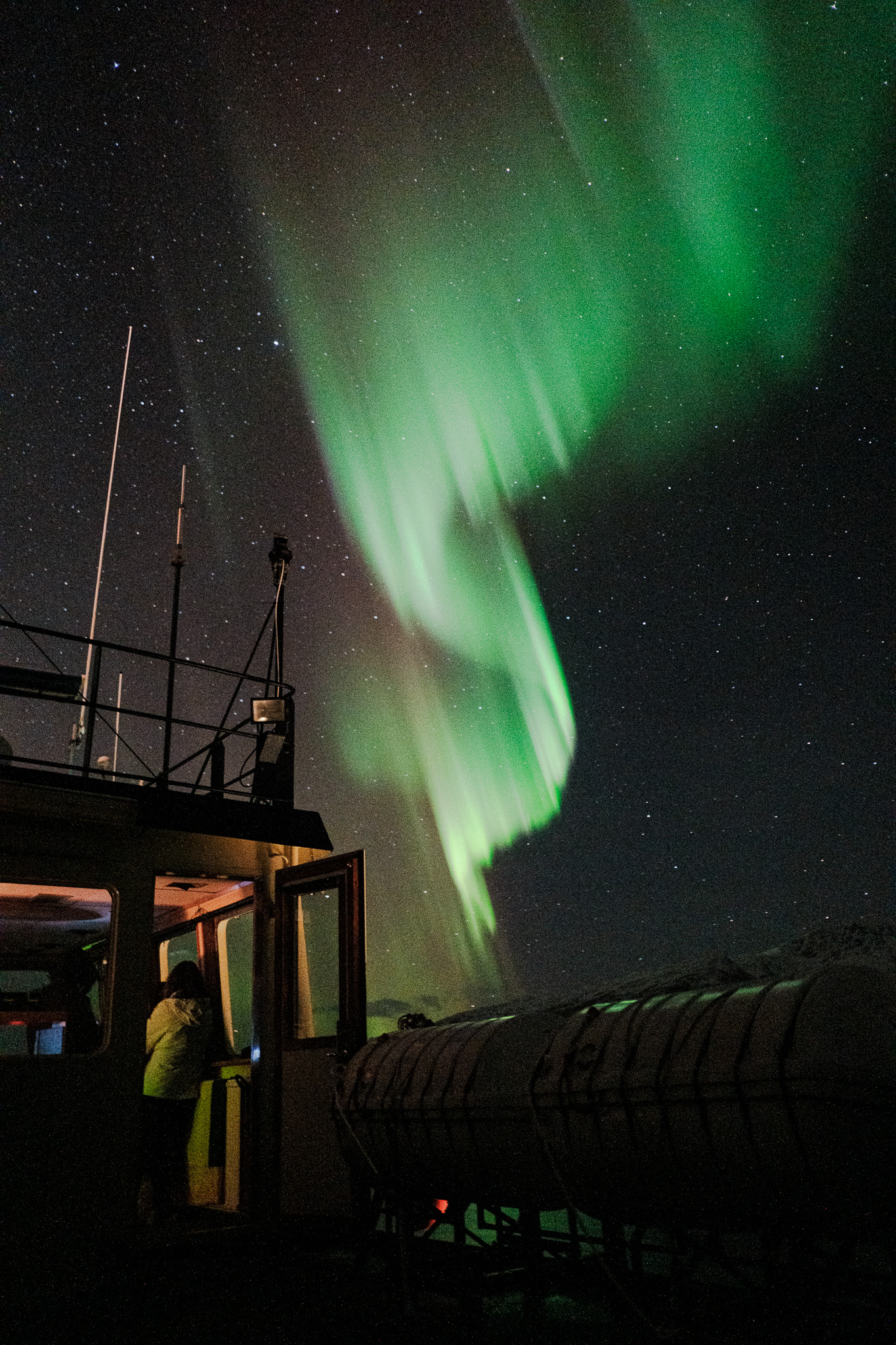
And for most visitors, the skies - alive with the reds and greens of aurora - are the main attraction in Norway’s far north. Fair enough too. It’s bucket list stuff; a display of planet earth at its most spectacular that, when you first see it, is hard to believe is real.
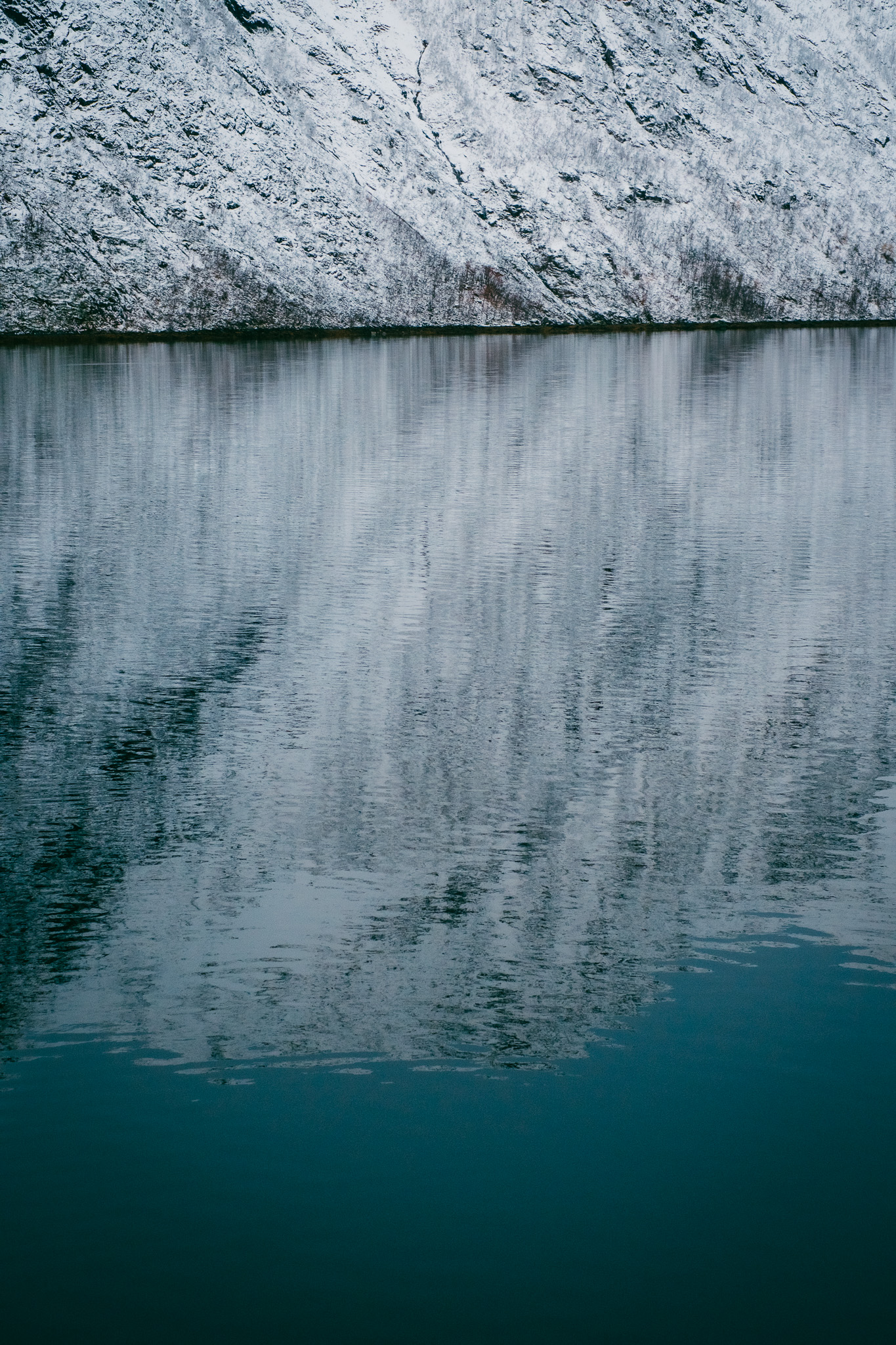
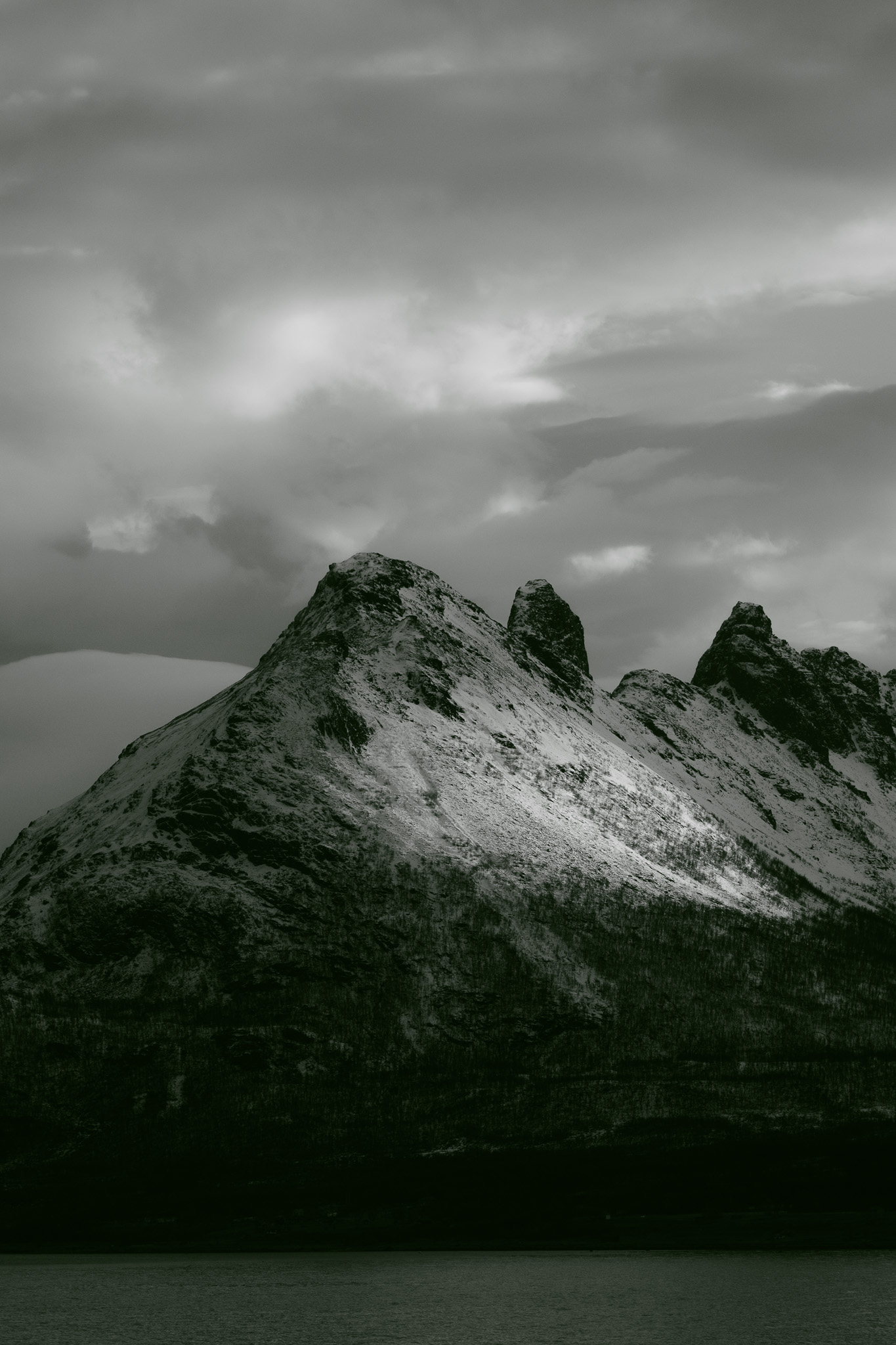
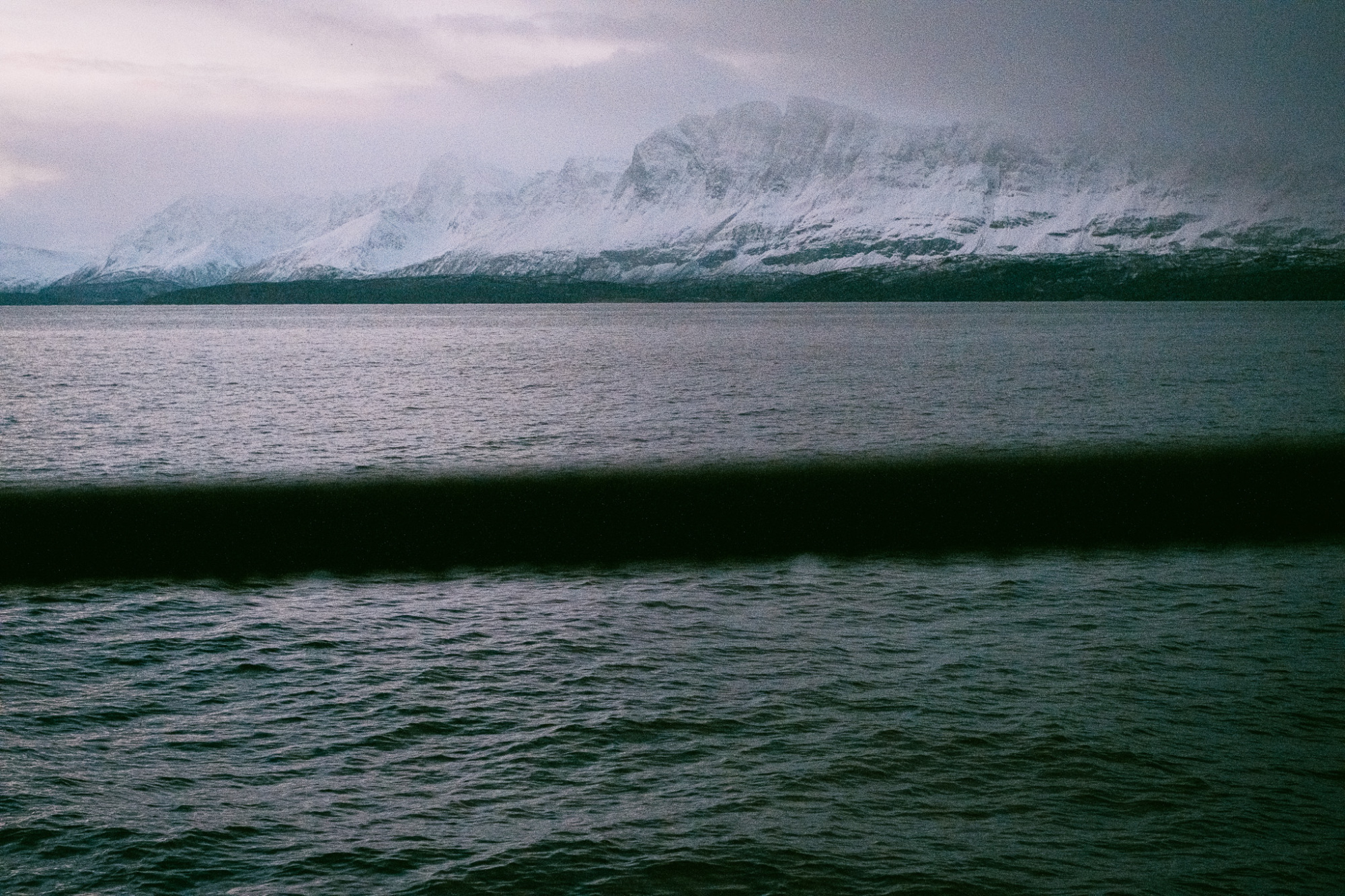
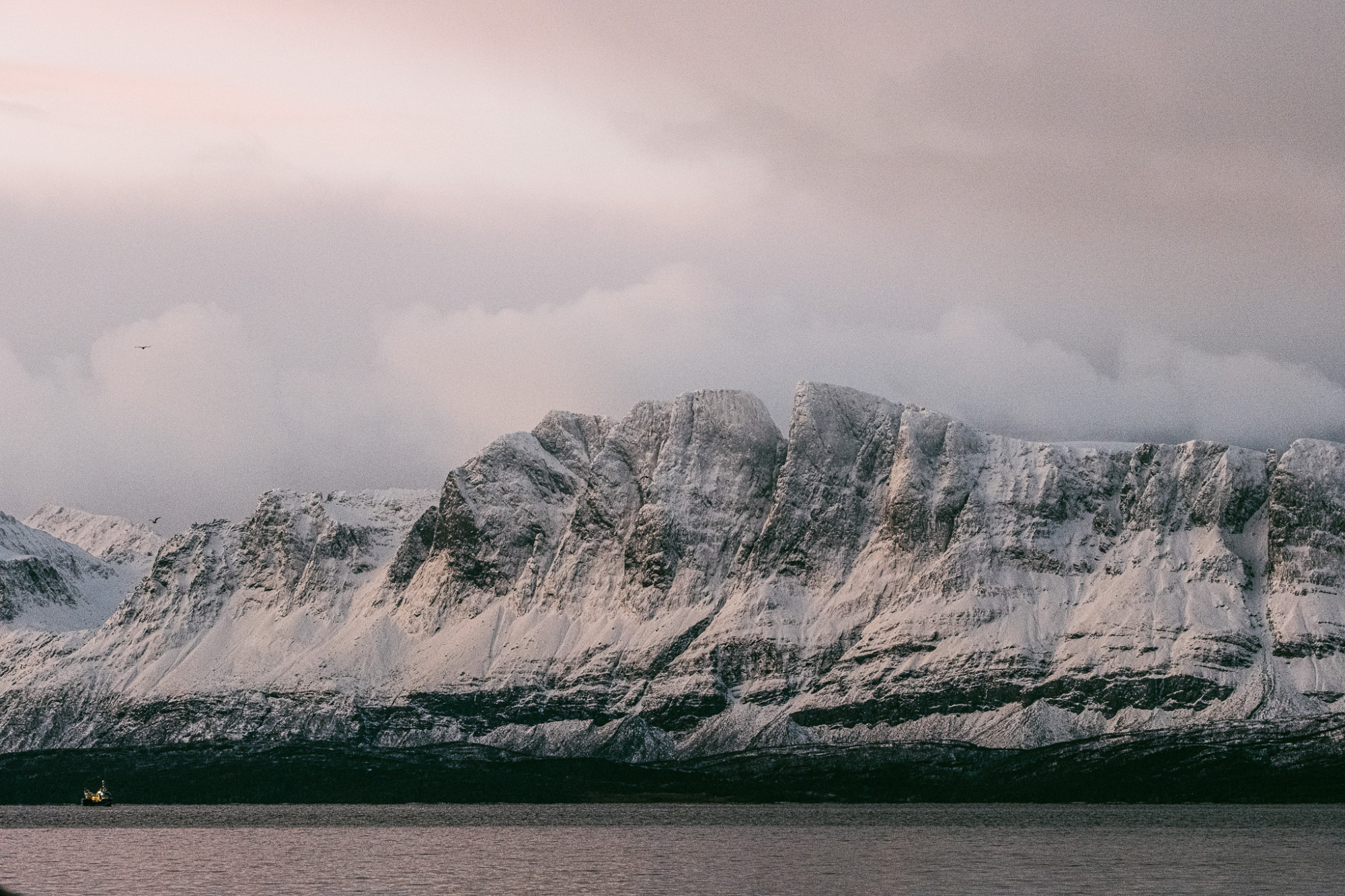
Yet what’s happening below the surface in northern Norway is arguably just as spectacular. Between October and January each year, millions of herring, after travelling across the Barents Sea from Iceland and Greenland, seek refuge in the relative calm of the Norwegian fjords.
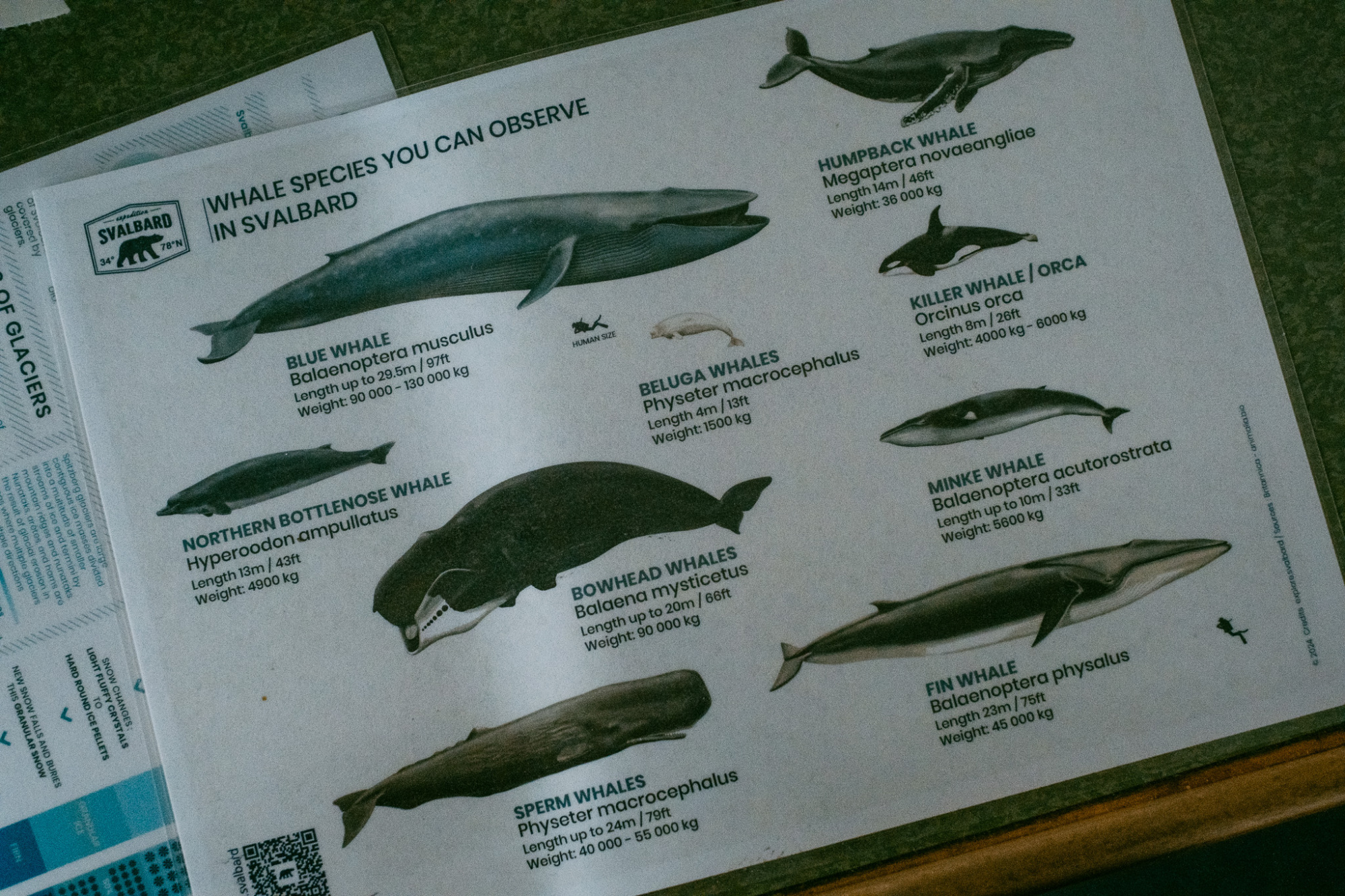
And their arrival means three of the world’s most impressive whale species - thousands of humpbacks, fin whales and orcas - make the journey, too, all heading into the fjords to chase the herring and feast.
—---
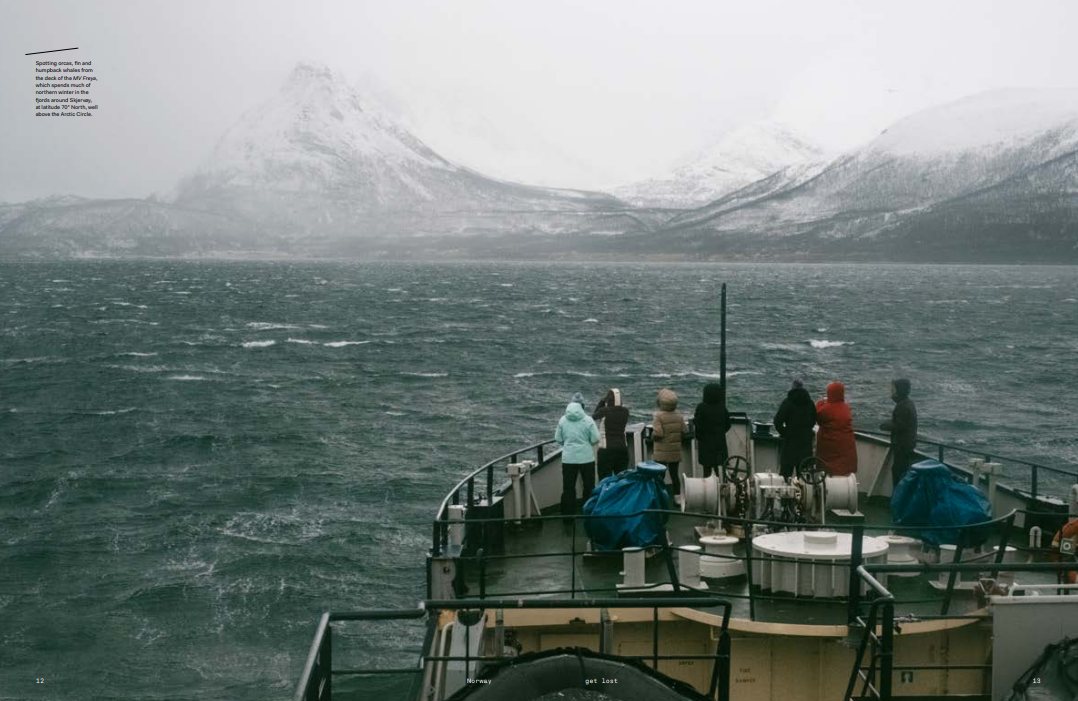
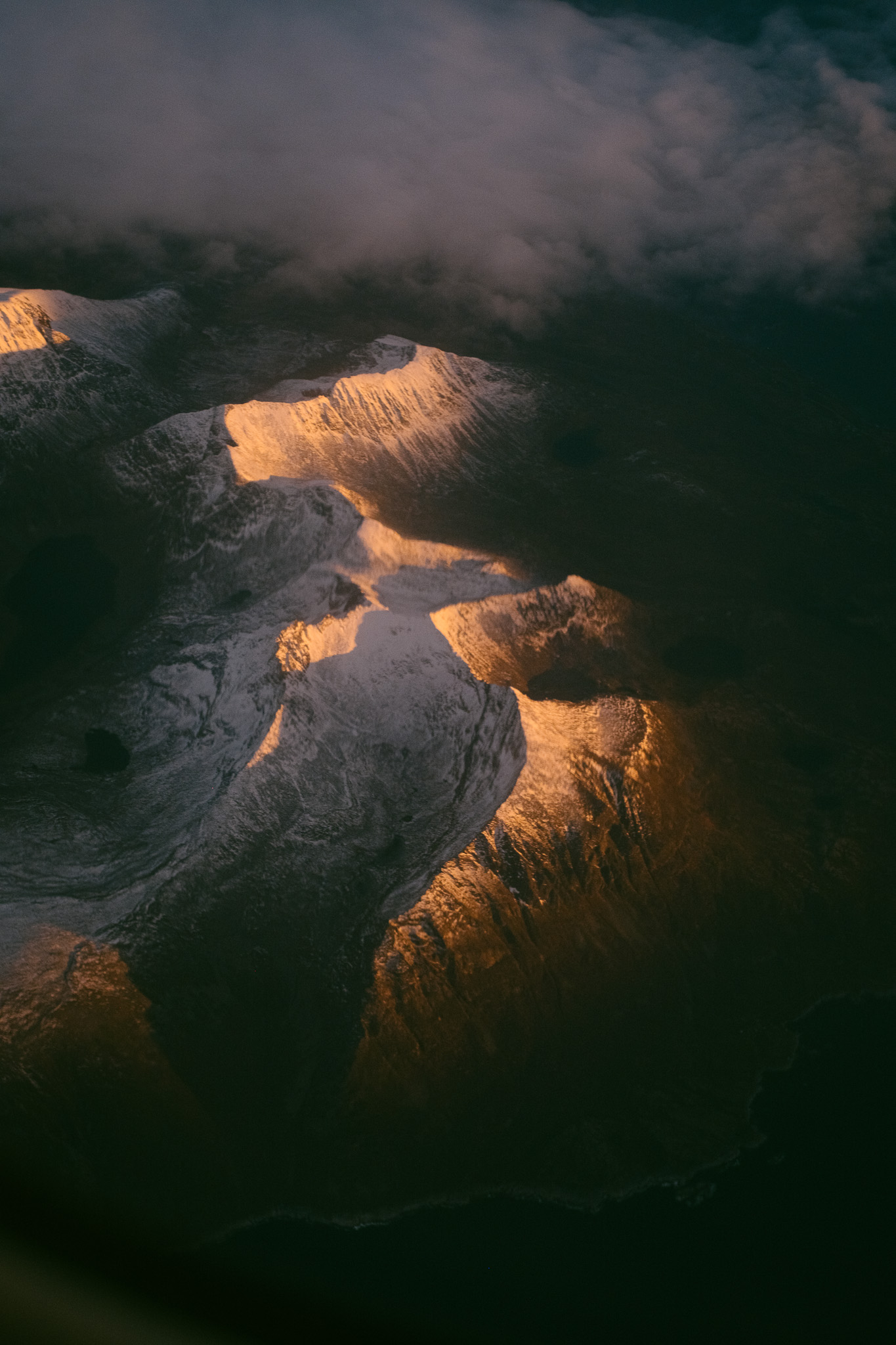
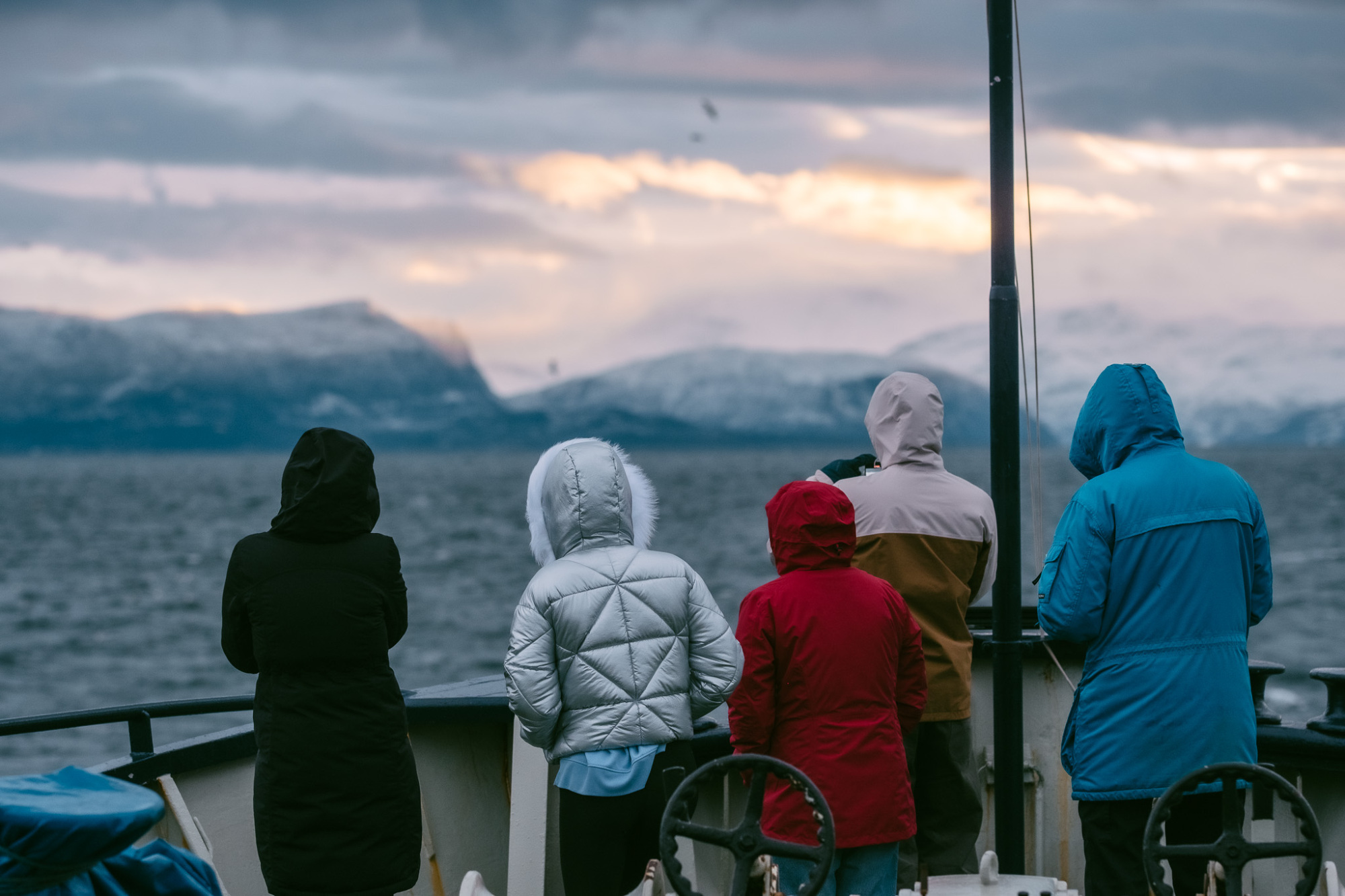
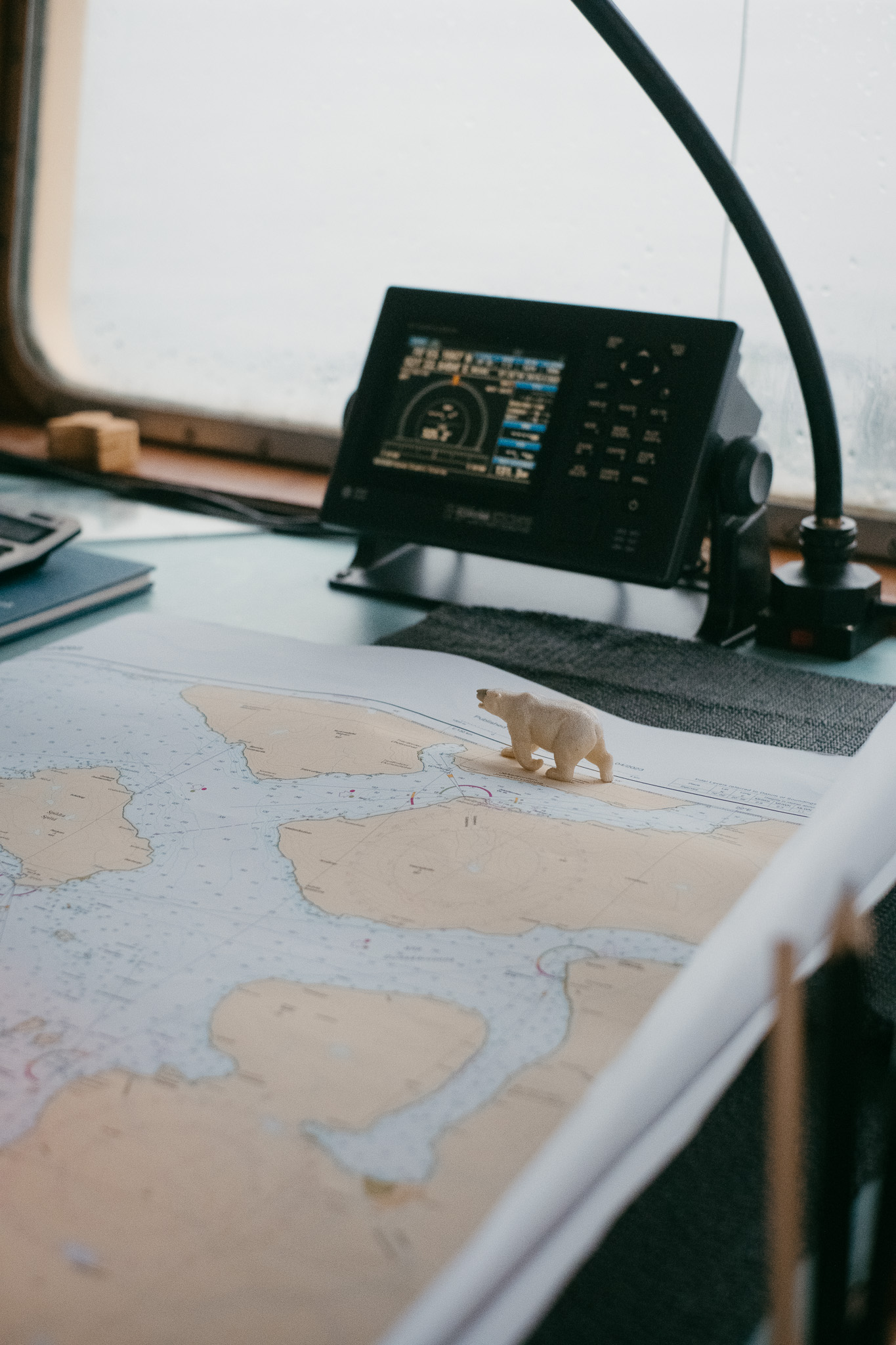
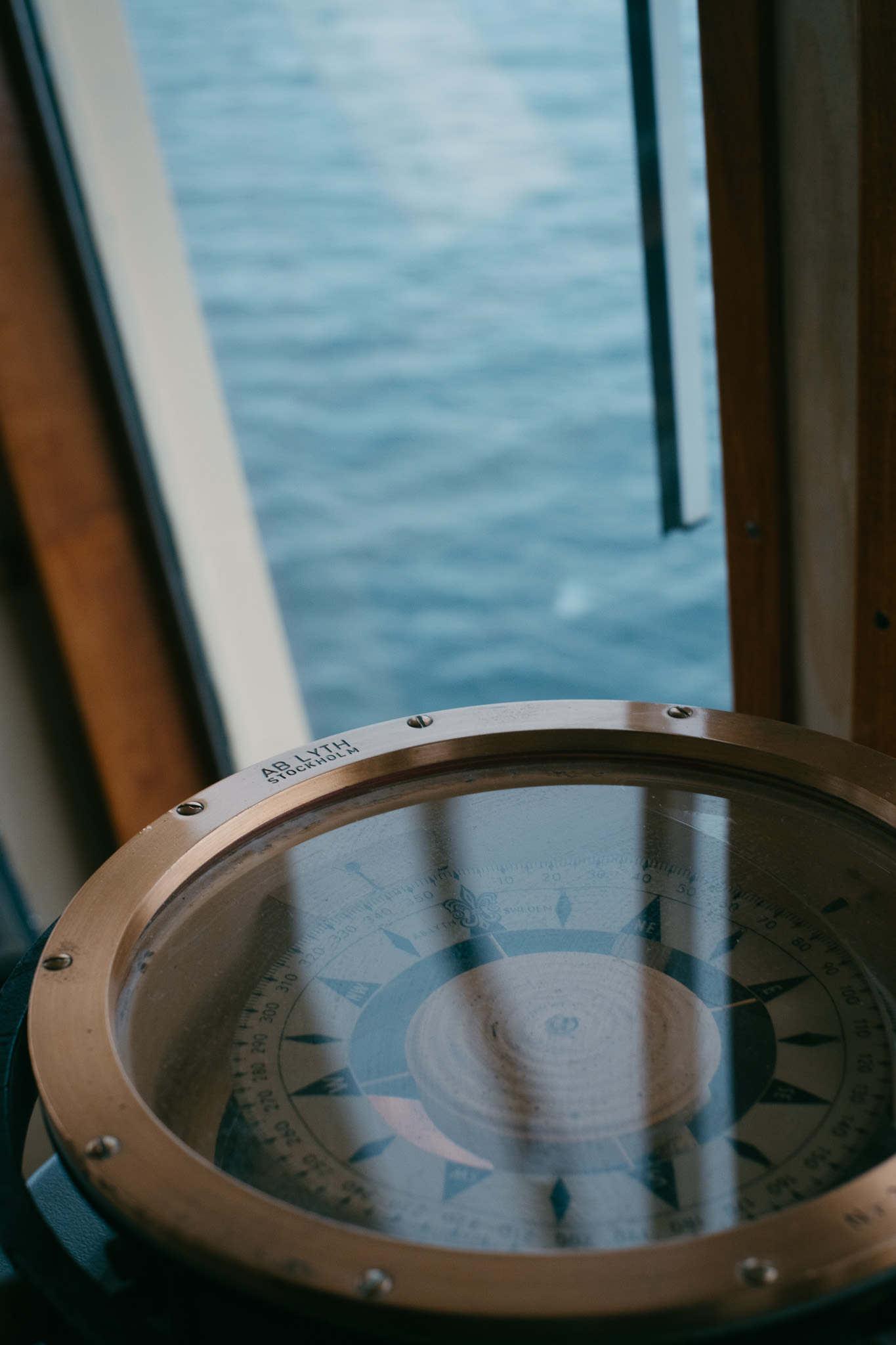
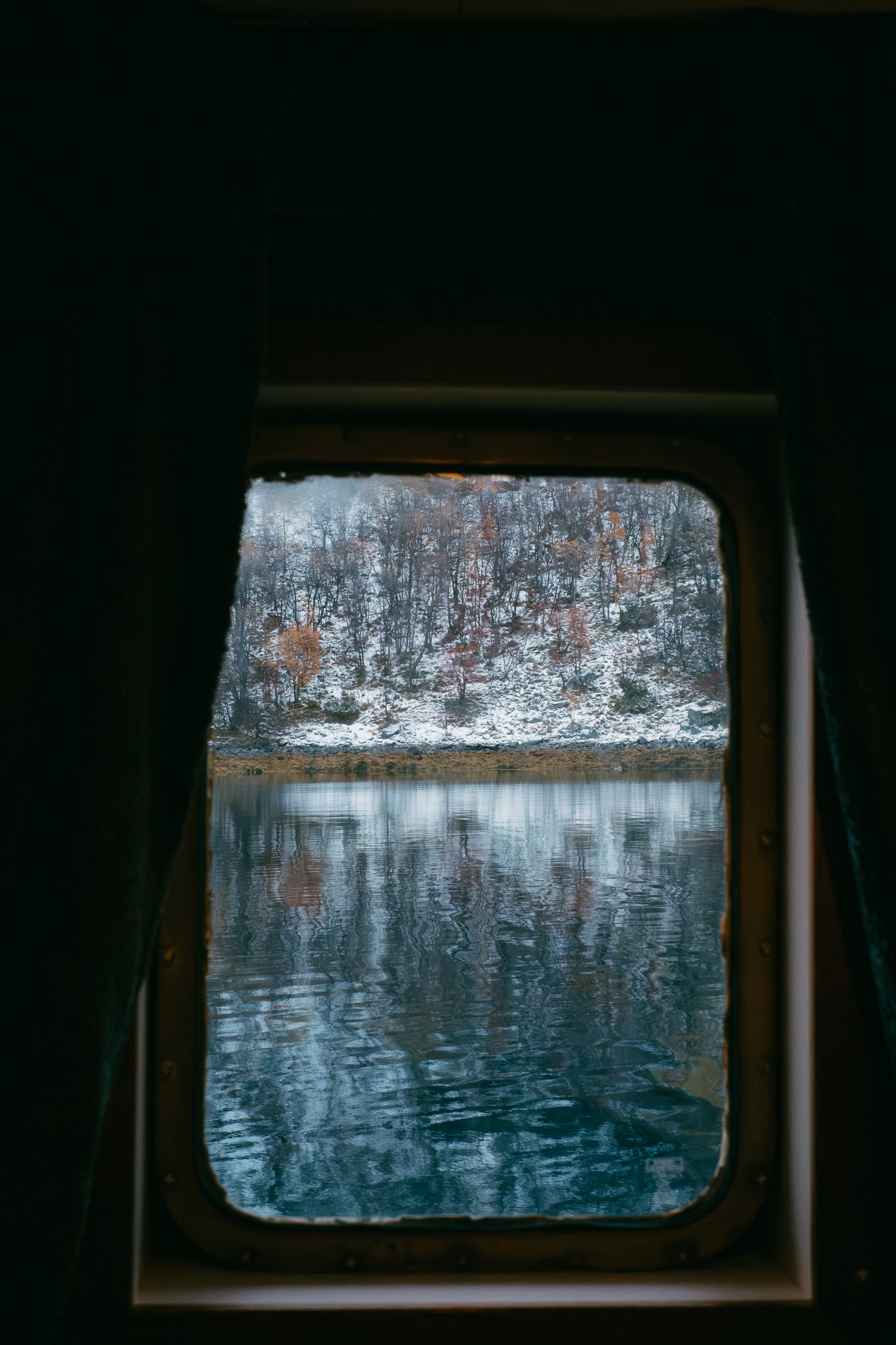
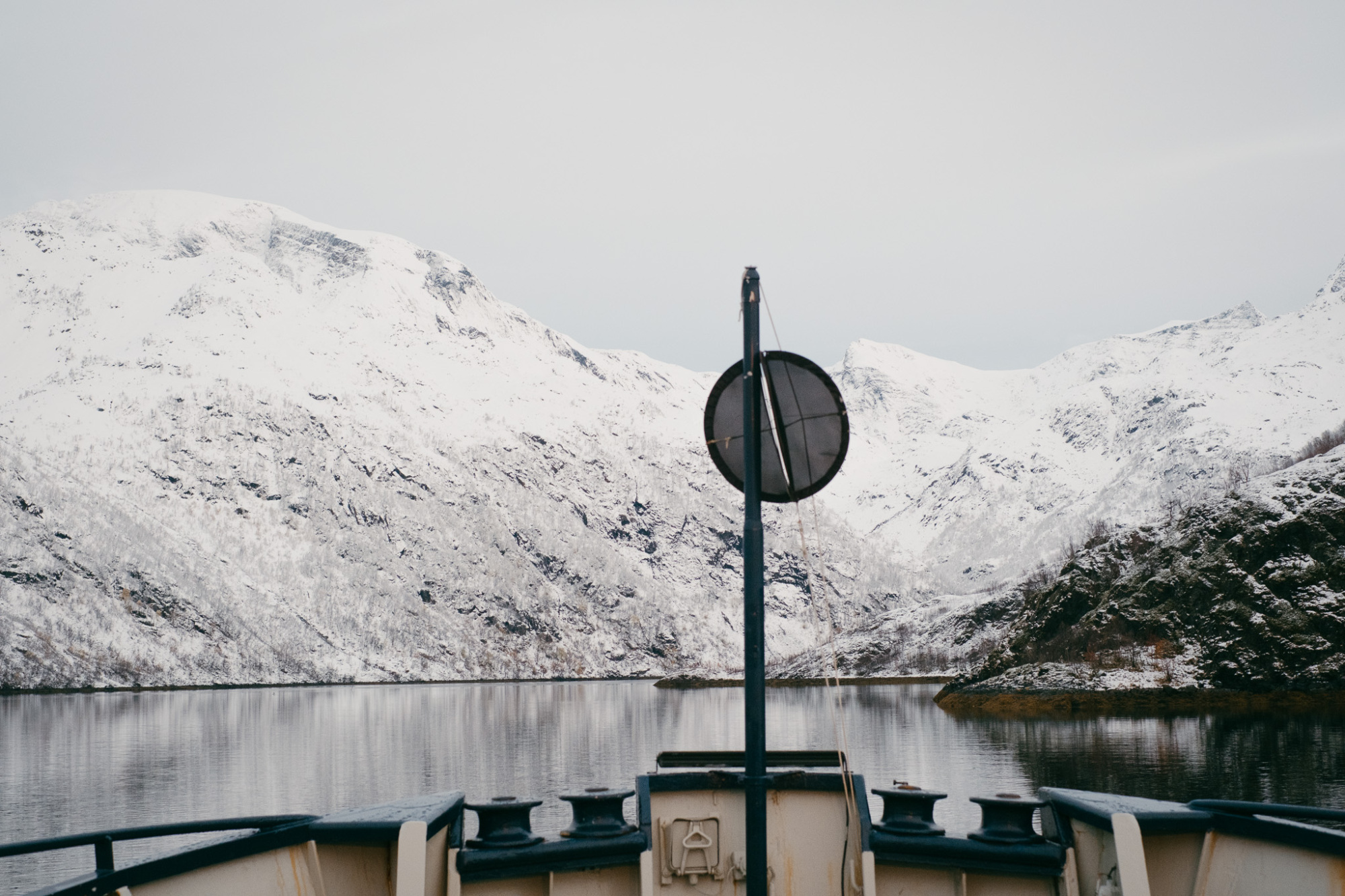
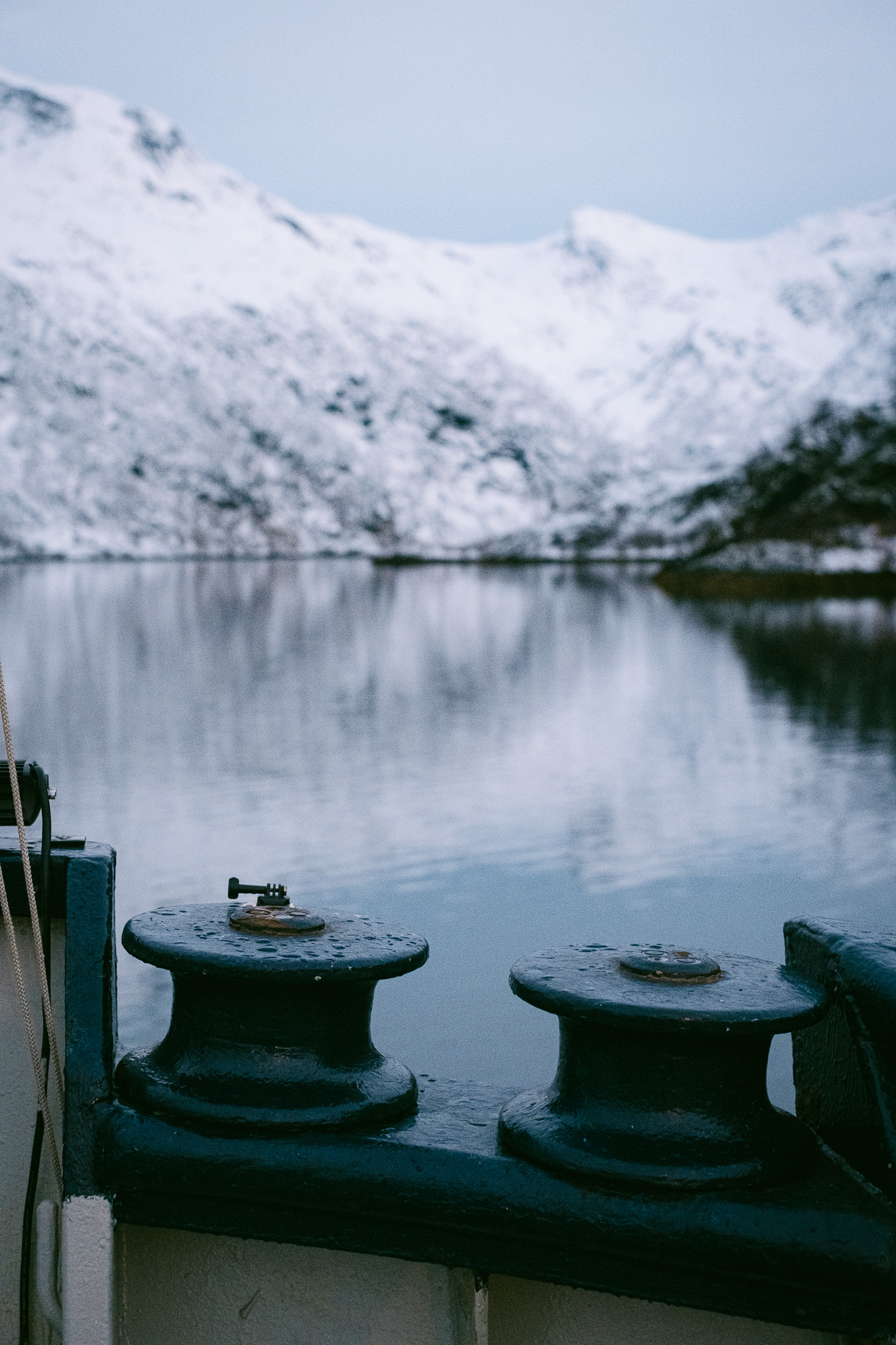
We’re spending a week aboard the MV Freya among the fjords close to Skjervøy, located at latitude 70° North, well above the Arctic Circle. There’s only six hours of light each day, and we want to make our time count. Each morning the sound of the engines kicking in wakes us up before sunrise, and we leave the coves and begin the search for signs of the herring, and with them, the whales.
Most of us spend the morning moving between the ship’s bridge and bow, nibbling on biscuits and passing around binoculars to spot whale activity on the surface as the sun rises around us.
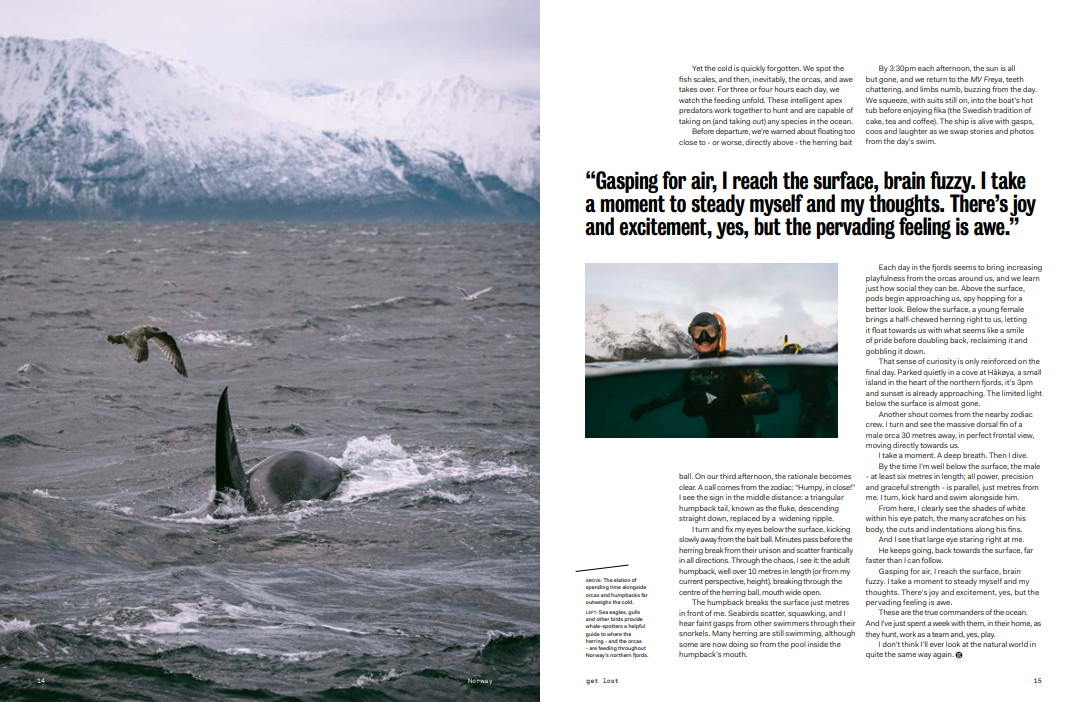
The sea eagles, gulls and other birds circling give us a helping hand, as they’re here for the herring too. They often lead our eyes to a puff of spray from a humpback, or the big dorsal fin of an orca that tells us the herring are around.
For the crew, it’s a delicate dance between distance and approach. If we sense there are other boats in the area - usually day-trip boats from Tromsø - we keep our distance or avoid the area completely to avoid overcrowding or hassling the whales.
Eventually, the call of “suit up, everyone!” is broadcast across the boat, and so begins the process of shoe-horning ourselves into our seven millimetre hooded wetsuits; a 20-minute procedure that, no matter who does it, is awkward. Bottles of shampoo, a kiddie pool and a spray gun are all part of the process, together with the inevitable stress of a stuck limb or a lost boot. Yet once we’re topside and begin loading onto the zodiacs, spirits are sky high. Our group burst into song and dance to stave off the bite of the arctic wind and snow.
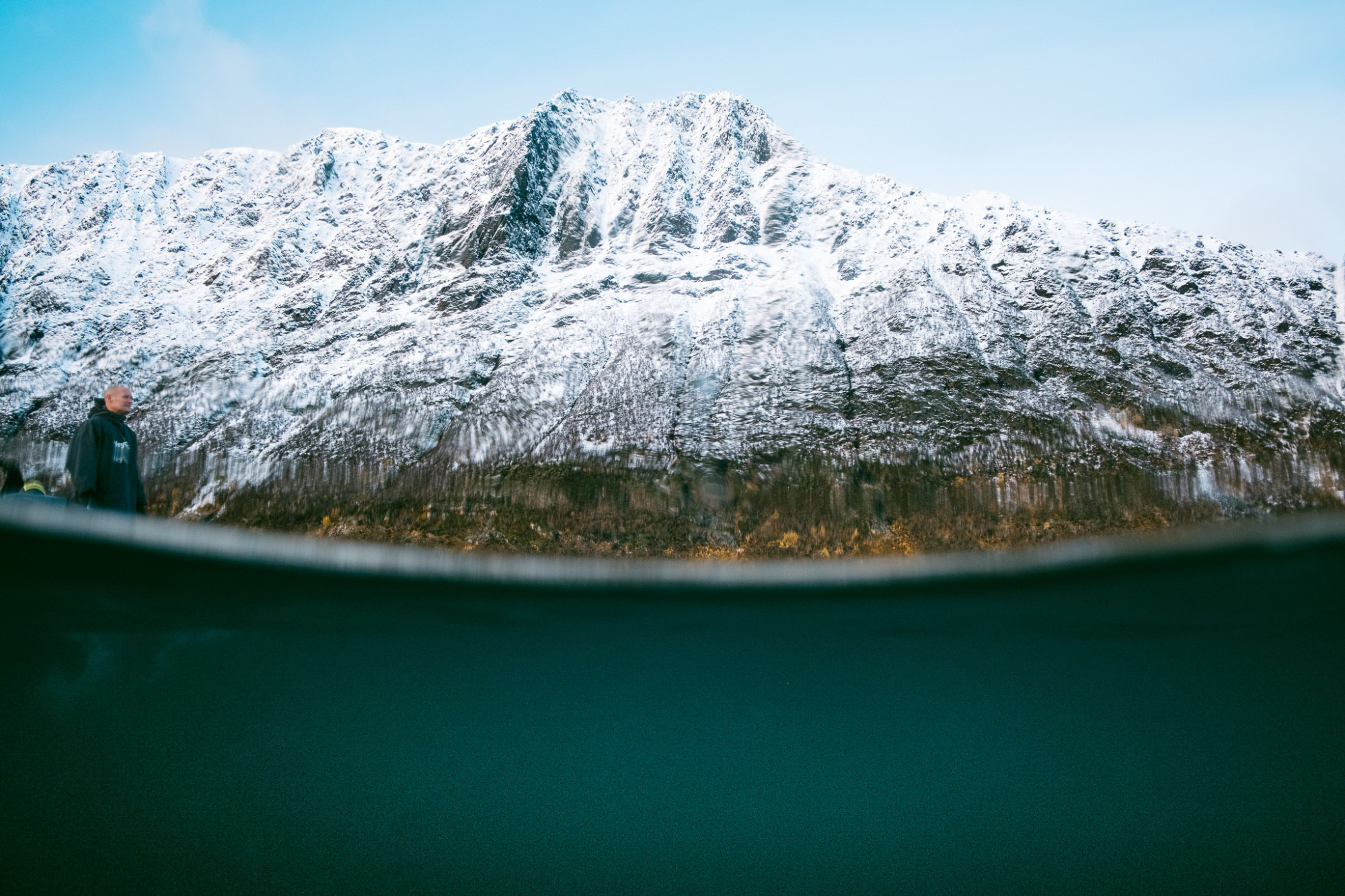
Once we’re close by and we get the signal, we quietly slide in off the zodiac and drop our heads. And yes, it’s cold; I feel my heartrate jolt at the shock, and watch ice crystals move around my fingers.
Yet the cold is quickly forgotten. Our eyes spot the fish scales, and then inevitably, the orcas, and awe takes over. For three or four hours each day, we watch the feeding unfold. These are intelligent, apex predators, working together to feed, and are capable of taking on and taking out any species in the ocean.
—---
Before departure we’d been warned about floating too close - or worse, on top of - the herring bait ball. On our third afternoon, the rationale is clear. A call comes from the zodiac; “Humpy, in close!”, and I see the sign in the middle distance: a triangular humpback tail - called the fluke - descending directly down, replaced by a wide ripple.
I turn and keep my eyes below the surface, fixed on the bait ball, kicking slowly away from it. Minutes pass, before the herring break from their unison and bullet frantically in all directions. Through the chaos I clock it; the adult humpback, well over 10 metres in length - or from my current perspective; height - breaking through the middle of the herring ball, mouth wide open.
The humpback breaks the surface, just metres in front of me. Sea birds scatter, squawking, and I hear faint gasps of others swimmers through their snorkels. There’s many herring still swimming, albeit some are now doing so from the pool inside the humpback’s mouth.
—---
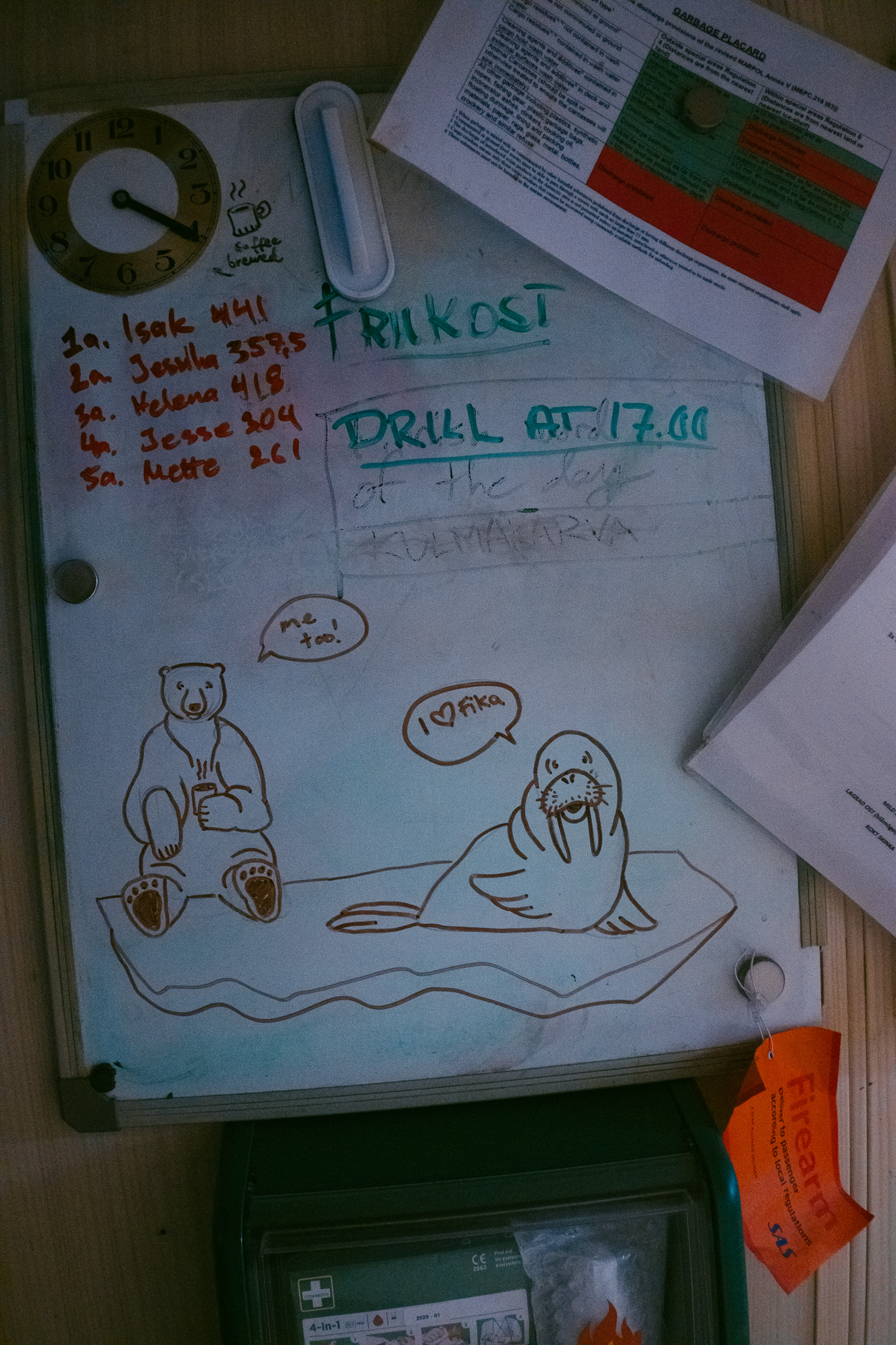
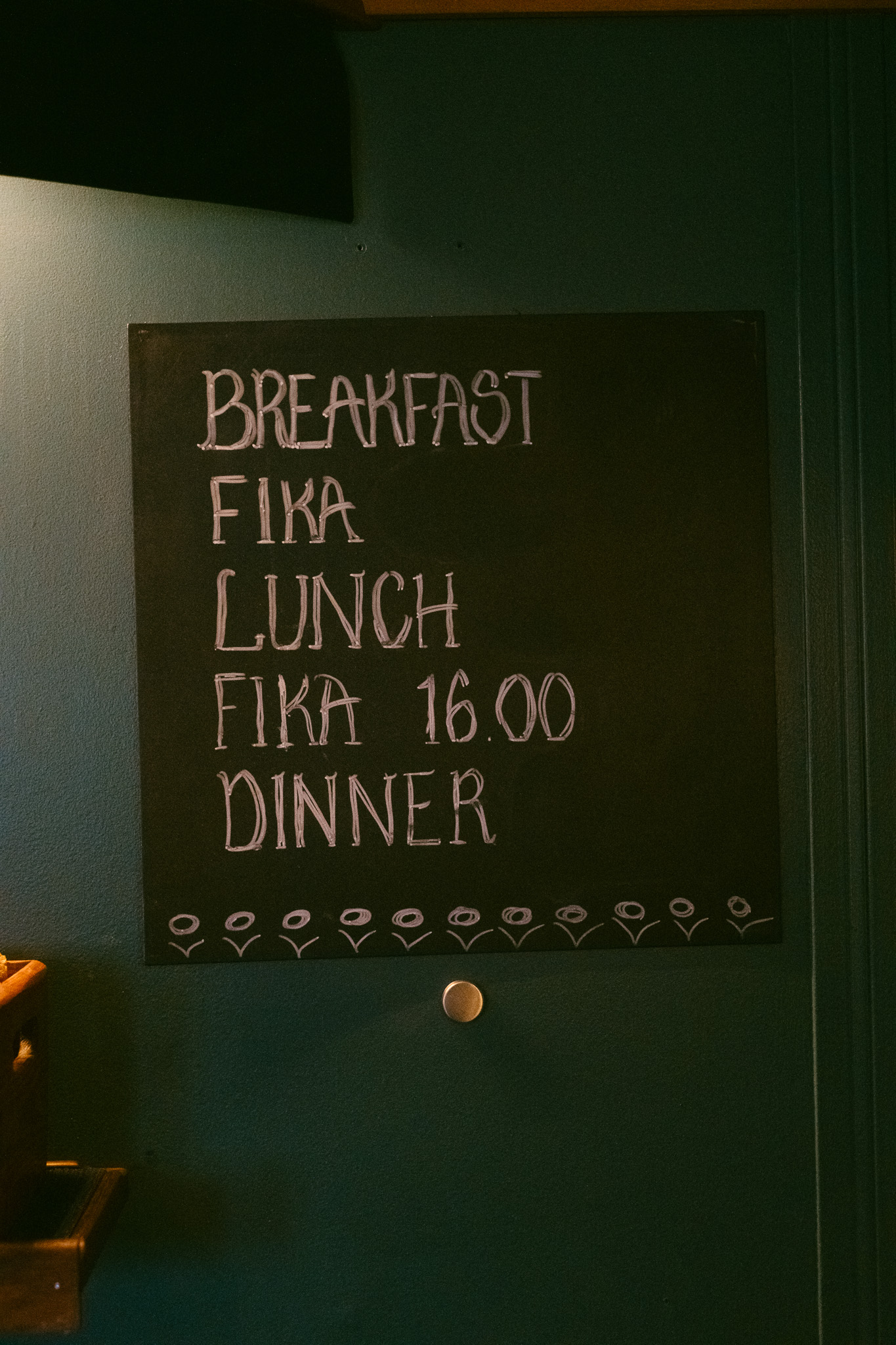
Come 3:30pm each afternoon, the sun is all but gone, and we return to the MV Freya, teeth chattering, nose stinging and limbs numb, buzzing from the day. We squeeze, suits still on, into the boat’s hot tub, before enjoying fika (the Swedish tradition of cake, tea and coffee) and the ship is alive with gasps, coos and laughs and as we swap stories and photos of the day’s swim.
Each day swimming in the fjords seems to bring an increasing playfulness to the groups of orcas around us, and we learn just how social they can be. Above the surface, pods are starting to come to us; spyhopping for a better look. Below the surface a young female brings a half chewed herring right to us, letting it float towards us with what seems a smile of pride, before doubling back around, taking it back and gobbling it down.
That sense of curiosity is only entrenched by the last day. Parked quietly in a cove at Håkøya, a small island in the heart of the northern fjords, it’s 3pm, the sunset is already close, and the limited light below the surface is almost gone.
I hear another shout from the zodiac crew nearby, and turn my head and see a massive dorsal fin of a male orca 30 metres away, in perfect frontal view, moving directly towards us.
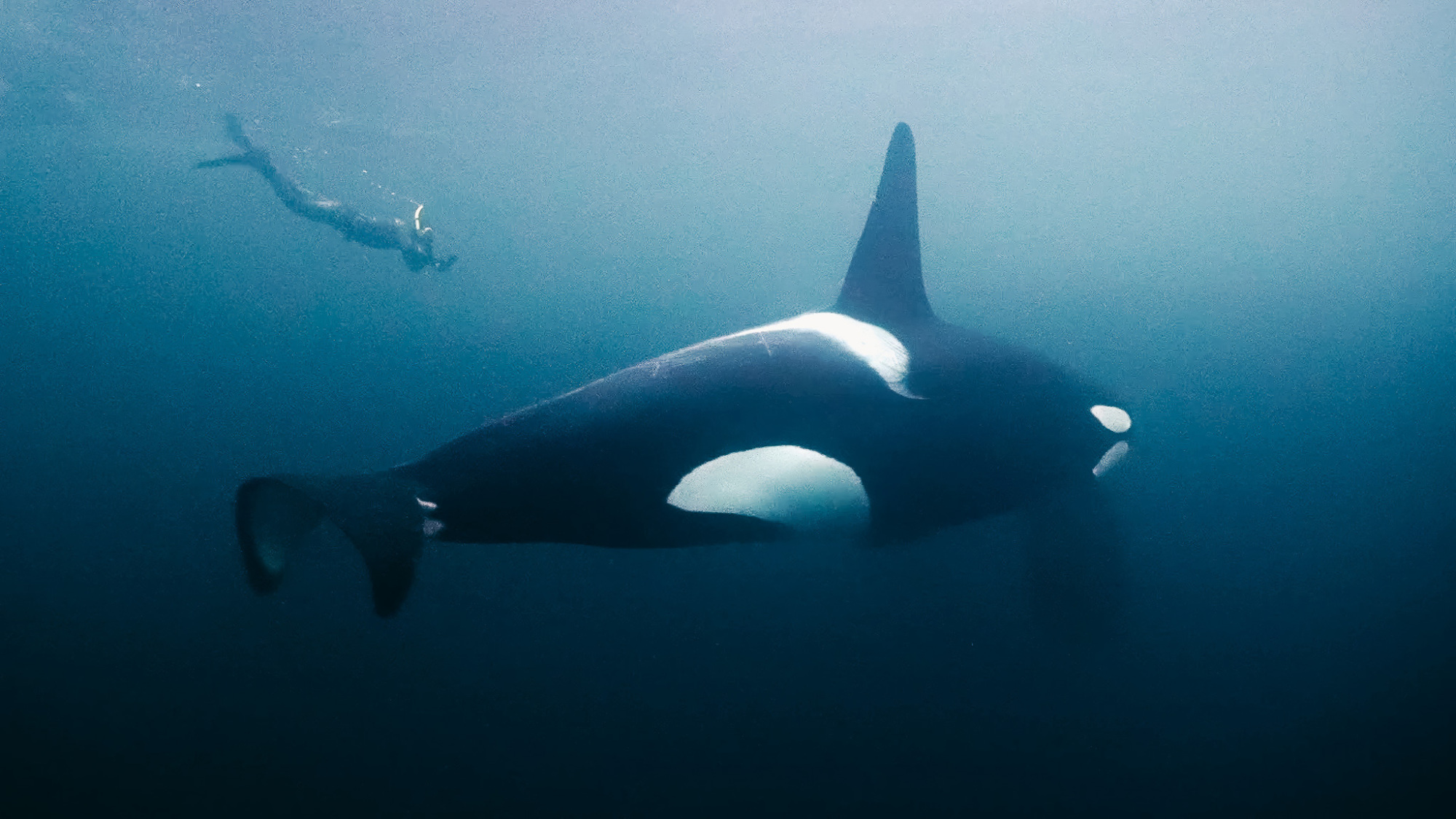
I take a moment, and a big deep breath, and then dive. By the time I’m well below the surface, the big male - at least six metres in length; all power, precision and graceful strength - is parallel, just metres from me. I turn my body, kick hard and swim alongside him.
From here, I can clearly see the shades of white within his eye patch, the many scratches on his body, and the cuts and indentations all along his fins. And I can see that big eye staring right at me. He inevitably keeps going, back towards the surface, far faster than I can keep up with.
Gasping for air I reach the surface, brain fuzzy. I take a moment to regain myself and my thoughts. Yes there’s joy and there’s excitement, but the pervading thought is one of awe. These are the true commanders of the ocean, and I’ve just spent the week with them, in their home, as they hunt, work as a team and yes; play. And I don’t think I can ever look at the natural world in quite the same way again.
----
All photos by me, except the special blue one of me with the big male orca. That's from guide and cinematographer, Ewan Donnachie.